

1-How to Design the Perfect Packaging Box
How to Design the Perfect Packaging Box for Your Brand
Custom packaging boxes are no longer “just something to protect the product.” They influence how much it costs to ship, how safe your items are in transit, how customers feel when they unbox, and how your brand is remembered.
What job does this box need to do—for my product, my customer, and my brand?
This guide walks you through a practical framework for designing the perfect packaging box, plus how to use AI-powered tools like Pacdora to speed up design and reduce mistakes.
1. Start with the 3P Framework: Perfect Packaging Box
Before you think about paper, printing, or finishes, answer three basic questions:
-
Product – What exactly are you packing?
Size, weight, fragility, surface (glass, plastic, metal, textile, etc.). -
People – Who will receive it?
Retail buyers, e-commerce customers, corporate clients, gift recipients? -
Path – How will it travel?
Courier shipping, palletized freight, hand delivery, or just retail shelf?
These three factors determine what type of box makes sense:
-
Heavy, fragile, shipped long distances → Corrugated mailer or shipper
-
Premium gift, high price point → Rigid box / set-up box
-
High-volume FMCG or lightweight items → Folding carton
-
Hybrid DTC + retail → Often a combination of inner carton + outer shipper
If you skip this step, every later decision on material, structure, and cost can easily go in the wrong direction.
2. Choose a Structure That Fits the Job:Perfect Packaging Box
Once the 3P basics are clear, you can select a structure based on function, not guesswork:
-
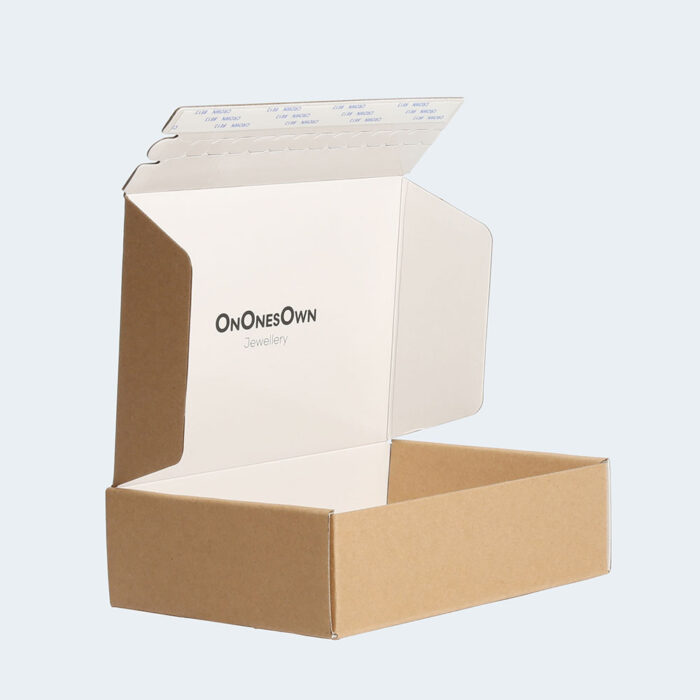
Mailer Boxes (Corrugated)
Ideal for e-commerce and subscription boxes. Strong, stackable, and easy to brand inside and outside. -
Rigid Boxes (Set-up Boxes)
Best for luxury items such as cosmetics, jewelry, electronics, and gift sets. They create weight and “ceremony” in the unboxing. -
Folding Cartons (Paperboard Boxes)
Suitable for retail shelves: skincare, makeup, food, supplements, small electronics. -
Sleeves, Slipcases, and Outer Wraps
Great for upgrades, seasonal editions, and co-branded campaigns without changing your core inner box.
A good factory partner can show you 2–3 structural options with clear pros and cons on cost, stability, and
printing.
3. Select Materials That Support Both Performance and Brand:Perfect Packaging Box
Material is where engineering and brand personality meet.
Common options include:
-
Kraft (Brown / White)
-
Natural, eco-friendly look
-
Works well for sustainable brands, coffee, organic skincare, lifestyle products
-
-
Ivory Board / SBS (C1S / C2S)
-
Smooth, rigid, excellent for high-end printing
-
Ideal for cosmetics, premium food, tech accessories and high-clarity graphics
-
-
Clay Natural Kraft (CNK)
-
White printable top with kraft back
-
Good balance between print quality and strength
-
-
Corrugated Board (E / B / C flutes and combinations)
-
Essential for shipping cartons and mailer boxes
-
Can be paired with a printed liner for both strength and branding
-
The right material depends on:
-
Weight and fragility of the product
-
Brand positioning (eco, luxury, mass-market, DTC, etc.)
-
Whether the box must survive export shipping or only local delivery
4. Fix Your Branding Essentials Before Opening Design Software-Perfect Packaging Box
A common mistake is to jump into visuals too early. Before any artwork is created, define:
-
Brand color system – CMYK and Pantone codes for your primary and secondary colors
-
Logo rules – Minimum size, safe margins, and typical placement
-
Typography system – Heading font, body font, hierarchy (H1, H2, body)
-
Core messages – What must be on the front, sides, and back
Ask yourself:
-
Within three seconds, what should a new customer understand from the front panel?
-
Which claims or certifications are truly important on the shelf or in online photos?
Once this is clear, designers and AI tools can create layouts that are both attractive and purposeful.
5. Use AI & 3D Tools like Pacdora to Prototype Smarter–Perfect Packaging Box
AI and cloud tools can dramatically speed up your packaging development.
Pacdora, for example, is built specifically for packaging:
-
Choose a ready-made box structure (mailer, folding carton, rigid box, etc.)
-
Input your dimensions and Pacdora generates a dieline automatically
-
Upload existing artwork or design directly in the browser
-
Preview your design in real-time 3D, from multiple angles
-
Export dielines (AI/PDF) for your designer or your factory
Practical workflow:
-
Use Pacdora to pick a structure and generate a dieline based on your product size.
-
Have your designer build the artwork in Adobe Illustrator using that dieline.
-
Upload the artwork back into Pacdora to produce realistic 3D previews.
-
Share these 3D mockups internally or with clients before committing to physical samples.
This process helps eliminate many errors early and reduces the number of physical samples you need to pay for.
You can also combine Pacdora with:
-
AI copy tools (for product descriptions and claims)
-
AI image tools (for concept visuals)
-
3D mockup tools to simulate shelf appearance and unboxing
6. Decide on Printing and Finishes Strategically–Perfect Packaging Box
Not every box needs all the special effects. Use printing and finishing to create product tiers, not visual noise.
Examples:
-
Core Line / Standard Products
-
CMYK printing
-
Matte or gloss lamination for protection and basic sheen
-
-
Premium Line
-
Add foil stamping on logo or key graphics
-
Use embossing or debossing on brandmark or pattern
-
-
Flagship / Limited Editions
-
Special textured or colored papers
-
Soft-touch lamination
-
Foil + registered emboss + spot UV on selected areas
-
Quick guidelines:
-
For eco brands → Emphasize natural or uncoated papers, restrained use of lamination and foil.
-
For luxury brands → Focus on controlled, minimal, high-impact details instead of over-decorating.
-
For e-commerce brands → Invest more in structure and inside print; keep the outside clean, durable, and shipping-friendly.
7. Engineer the Inside: Inserts and Internal Structure–Perfect Packaging Box
Even the most beautiful box will disappoint if the product slides around inside.
Typical insert options:
-
EVA or Foam Inserts
High protection, custom cut for product shape. Best for fragile or high-value items. -
Paperboard or Corrugated Inserts
Cost-effective, recyclable, and flexible for many categories. -
Molded Pulp
Eco-friendly, good shock absorption, ideal for brands with strong sustainability messaging. -
Velvet or Fabric-Wrapped Trays
Used for jewelry, watches, commemorative coins, and luxury gift sets.
Your goals:
-
The product should not move excessively during transit.
-
When opened, the product layout should feel intentional and well-organized.
8. Sample, Test, Then Scale–Perfect Packaging Box
A professional packaging project should never go straight from idea to mass production.
Recommended steps:
-
White sample – Check size, structure, and assembly.
-
Printed sample – Confirm color, finish, and overall feel.
-
Simple transit test – Put product inside, close the box, simulate shipping conditions (shake test, stack test).
-
Mass production – Only after the sample is approved as the reference standard.
For overseas buyers, it’s also helpful if your factory can provide:
-
Video calls or factory walk-throughs
-
Photos and videos of samples and production stages
-
Clear QC reports and packaging details for export
9. Choose a Factory Partner That Thinks Beyond “Just Printing”–Perfect Packaging Box
The final quality of your packaging depends heavily on your manufacturing partner.
A strong factory partner should:
-
Understand your market and positioning, not just your box size
-
Suggest suitable structures, materials, and finishes for your goals and budget
-
Control color consistency and structural stability from batch to batch
-
Provide flexible MOQs and realistic lead times for both trials and ongoing orders
If you share clear information about your product, channels, target buyers, and price range, your factory can help you build not just a nice-looking box—but a packaging solution that truly supports your brand.
If you’re planning a new launch or rebrand, start by mapping your product, audience, and logistics path. Then work with a capable factory and smart tools like Pacdora to turn that strategy into packaging that looks good, works well, and grows with your brand.
Company Overview – Shenzhen Senwi Printing & Packaging Co., Ltd.