



Latest news Distinguish High-Quality Paper Packaging Materials-01/04
How to Distinguish High-Quality Paper Packaging Materials
In an era where sustainability and brand image are paramount, high-quality paper packaging has evolved far beyond a simple protective layer—it’s a reflection of a brand’s commitment to quality, environmental responsibility, and customer experience. Whether you’re sourcing packaging for food products, cosmetics, gifts, or industrial goods, distinguishing premium paper materials from subpar ones is critical to ensuring durability, visual appeal, and long-term brand success.
This guide breaks down the key factors to evaluate when selecting high-quality paper packaging materials, covering material types, physical attributes, performance standards, and sustainability credentials. By the end, you’ll have a clear framework to make informed decisions that align with your brand goals and customer expectations.
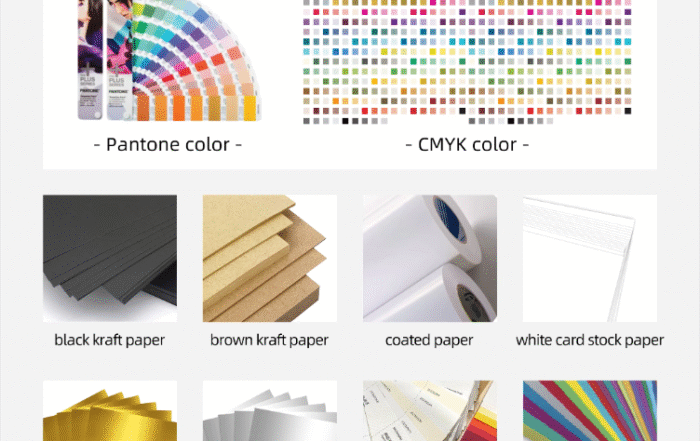
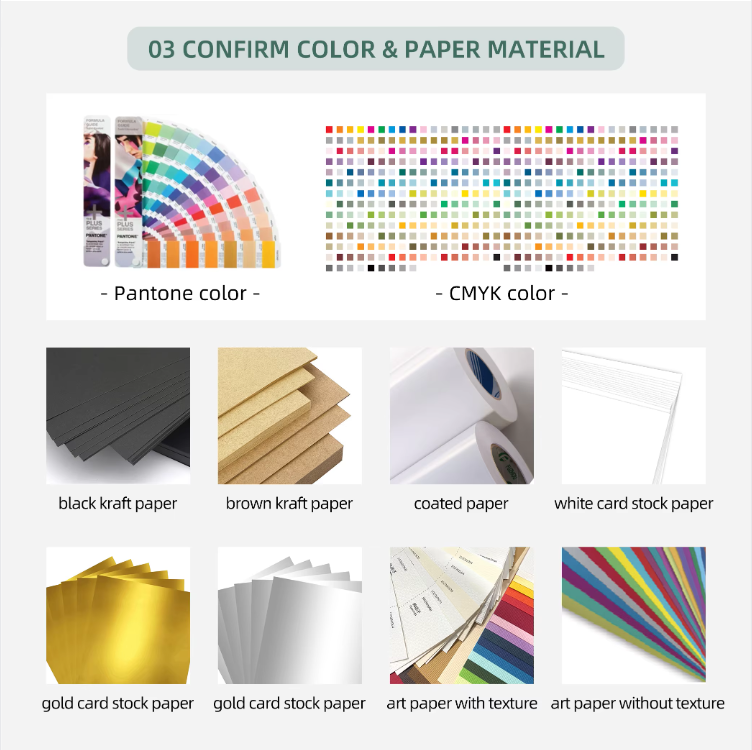
1. High-Quality Paper Packaging Materials-Start with Core Material Types: Choose the Right Base
The foundation of high-quality paper packaging lies in selecting the appropriate material type for your use case. Different paper grades offer varying strengths, textures, and functionalities—matching the material to your product’s needs is non-negotiable.
– Coated Board (Grey Board / White Board)
Best for: Cosmetics, high-end gifts, food boxes, and retail packaging that requires a smooth, printable surface.
- High-quality traits: Dense, uniform texture with no visible fiber gaps; consistent coating thickness (no peeling or flaking); rigid structure that resists bending.
- Key check: Perform a “bend test”—flex the board gently. High-quality coated board bounces back without cracking, while low-quality board will leave permanent creases or split.
– Corrugated Paper (Kraft Paper + Flute Liner)
Best for: E-commerce shipping, industrial packaging, and bulk product transportation that prioritizes shock resistance.
- High-quality traits: Strong adhesive bond between the liner and flute (no delamination when pulled); thick, sturdy flute layers (A-flute for shock absorption, B-flute for compression resistance, E-flute for retail display); clean, even flute perforations.
- Key check: Tear a small section of the paper. High-quality corrugated paper will have clean, fibrous tears (not brittle breaks), and the flute structure will remain intact rather than collapsing.
– Kraft Paper (Uncoated / Recycled)
Best for: Eco-friendly brands, food packaging, coffee, tobacco, and sustainable retail that emphasizes a natural, rustic aesthetic.
- High-quality traits: Thick, durable fibers with minimal dust or debris; consistent color tone (no uneven blotches); strong tensile strength that resists tearing when wet or stretched.
- Key check: Rub the surface gently. High-quality kraft paper will not leave residue on your fingers, and it will resist scuffing better than low-grade options.
– Specialty Paper (Bamboo Paper, Hemp Paper, Metallic Coated Paper)
Best for: Luxury brands, premium gift sets, and products that require unique visual or tactile appeal.
- High-quality traits: Premium texture (soft, matte, or glossy finish); uniform thickness; vibrant color reproduction for printed designs; no discoloration or fading over time.
2. High-Quality Paper Packaging Materials-Evaluate Physical Attributes: Feel, See, and Test
Beyond material type, the physical properties of the paper itself are telltale signs of quality. Use these simple tests to assess durability, consistency, and finish.
– Texture and Smoothness
Run your fingers over the paper surface:
- High-quality: Smooth, even texture with no rough spots, pinholes, or fiber protrusions. Coated papers should have a consistent, non-sticky finish; uncoated papers should feel soft and tactile without being brittle.
- Low-quality: Grainy, uneven surfaces; visible inconsistencies; or a “waxy” coating that peels easily.
– Thickness and Weight
Paper thickness is measured in gsm (grams per square meter)—higher gsm generally means greater durability, but it must align with your packaging needs:
- Food packaging: 250-400 gsm coated board (food-safe, leak-resistant).
- E-commerce shipping: 120-200 gsm corrugated paper (lightweight but shock-absorbent).
- Luxury gifts: 350-600 gsm thick coated board (rigid, premium feel).
- Key check: Use a caliper (paper thickness gauge) to verify consistency. High-quality paper will have minimal variation in thickness across the sheet—low-quality paper may have thin spots that weaken the structure.
– Tear and Tensile Strength
Perform a simple tear test to assess durability:
- Grasp a strip of paper and pull it apart slowly.
- High-quality: Tear is gradual, with visible fiber strands (no clean, brittle snap). The paper will resist tearing until significant force is applied.
- Low-quality: Snaps cleanly with little force, or leaves a ragged, weak edge that can split further under pressure.
For wet-resistance (critical for food or beverage packaging), test water resistance:
- Sprinkle a few drops of water on the paper. High-quality water-resistant paper will repel moisture (beads form) or absorb it slowly without disintegrating. Low-quality paper will warp, soften, or tear immediately.
– Printability and Color Fastness
If your packaging requires custom printing (logos, designs, product info), print quality is a make-or-break factor:
- High-quality: Prints with sharp, vibrant colors; no smudging, bleeding, or fading; ink adheres firmly to the surface (perform a “scratch test”—rub the print gently with a finger, and no ink transfers).
- Low-quality: Faded, blurry prints; ink smudges when touched; or discoloration after exposure to sunlight (test by placing a sample in direct sunlight for 1 hour—no visible fading).
3. High-Quality Paper Packaging Materials-Assess Performance Under Real-World Conditions
Paper packaging must perform in the environments it will face—shipping, storage, and customer handling. Test these practical scenarios to ensure quality:
– Compression Resistance
For stacked packaging (e.g., boxes on a warehouse shelf), compression strength is vital to prevent crushing:
- Use a compression tester (or a simple weight test: place a 5kg weight on a small sample box). High-quality packaging will hold the weight without collapsing or deforming.
- Low-quality packaging will buckle, warp, or collapse under minimal weight.
– Moisture and Humidity Resistance
Paper is naturally susceptible to moisture damage—especially for food, cosmetic, or electronic products:
- Store a paper sample in a humid environment (e.g., a bathroom) for 24 hours. High-quality paper will maintain its shape and strength; low-quality paper will warp, mold, or become brittle.
- For international shipping (exposed to varying climates), prioritize moisture-resistant coatings or treatments (e.g., water-based lamination) to protect the product inside.
– Fold and Crease Resistance
Packaging often requires folding, creasing, or assembly—poor foldability leads to messy packaging and damaged products:
- Fold the paper along a straight line multiple times. High-quality paper will form a clean, sharp crease that holds its shape without cracking.
- Low-quality paper will split at the crease, leave permanent indentations, or fail to stay folded.
4. High-Quality Paper Packaging Materials-Prioritize Sustainability: A Mark of Modern Quality
Today’s consumers—and regulators—demand eco-friendly packaging. High-quality paper materials align with sustainability goals while meeting performance standards. Look for these key sustainability credentials:
– Recycled Content
- High-quality recycled paper: Made with post-consumer waste (PCW) but maintains strength and printability (no excessive brittleness or discoloration). Look for certifications like FSC (Forest Stewardship Council) or PEFC (Programme for the Endorsement of Forest Certification) to ensure responsible sourcing.
- Low-quality recycled paper: Thin, weak, with high dust content; may contain unprocessed contaminants that affect print quality and safety.
– Biodegradability and Compostability
- For brands committed to zero waste, choose paper that is 100% biodegradable or home-compostable (certified by ASTM D6400 or EN 13432). High-quality compostable paper will break down naturally in the environment without leaving microplastics.
- Avoid paper treated with non-biodegradable coatings (e.g., plastic lamination) that undermine sustainability goals.
– Minimal Environmental Impact
- Look for papers produced with renewable energy (e.g., wind or solar power) and zero-waste manufacturing processes. Brands that prioritize sustainability often provide transparent sustainability reports—use this as a vetting tool.
5. High-Quality Paper Packaging Materials-Trust Third-Party Certifications and Supplier Credentials
Even with rigorous testing, third-party certifications provide an extra layer of assurance when sourcing paper packaging materials. Reputable suppliers will offer documentation for:
- Food safety certifications: FDA (U.S.), EFSA (EU), or GB 4806 (China) for food-contact packaging.
- Environmental certifications: FSC, PEFC, or B Corp (for sustainable brands).
- Quality management standards: ISO 9001 (ensures consistent manufacturing processes).
Additionally, vet suppliers by requesting samples and batch testing. High-quality suppliers will provide free samples, allow for custom testing, and offer transparent pricing and lead times—avoid suppliers that cut corners on samples or provide vague documentation.
Final Checklist: How to Verify Quality Before Ordering
- Request samples: Always test paper samples before bulk ordering—check texture, thickness, printability, and performance.
- Perform hands-on tests: Bend, tear, scratch, and expose samples to water/humidity to assess durability.
- Check certifications: Verify FSC/PEFC, food safety, and ISO 9001 documentation.
- Assess print quality: Test custom prints for smudging, fading, and adhesion.
- Evaluate sustainability: Confirm recycled content, biodegradability, and responsible manufacturing.
Conclusion
Distinguishing high-quality paper packaging materials is a blend of technical testing, practical performance evaluation, and alignment with sustainability and brand values. By focusing on material type, physical attributes, real-world performance, and eco-credentials, you can select packaging that protects your products, enhances your brand’s visual identity, and resonates with environmentally conscious customers.
Remember: Quality paper packaging is an investment—not just in protecting your products, but in building long-term brand trust. Whether you’re sourcing for luxury gifts, e-commerce shipping, or sustainable food products, prioritizing quality materials will ensure your packaging stands out for all the right reasons.