

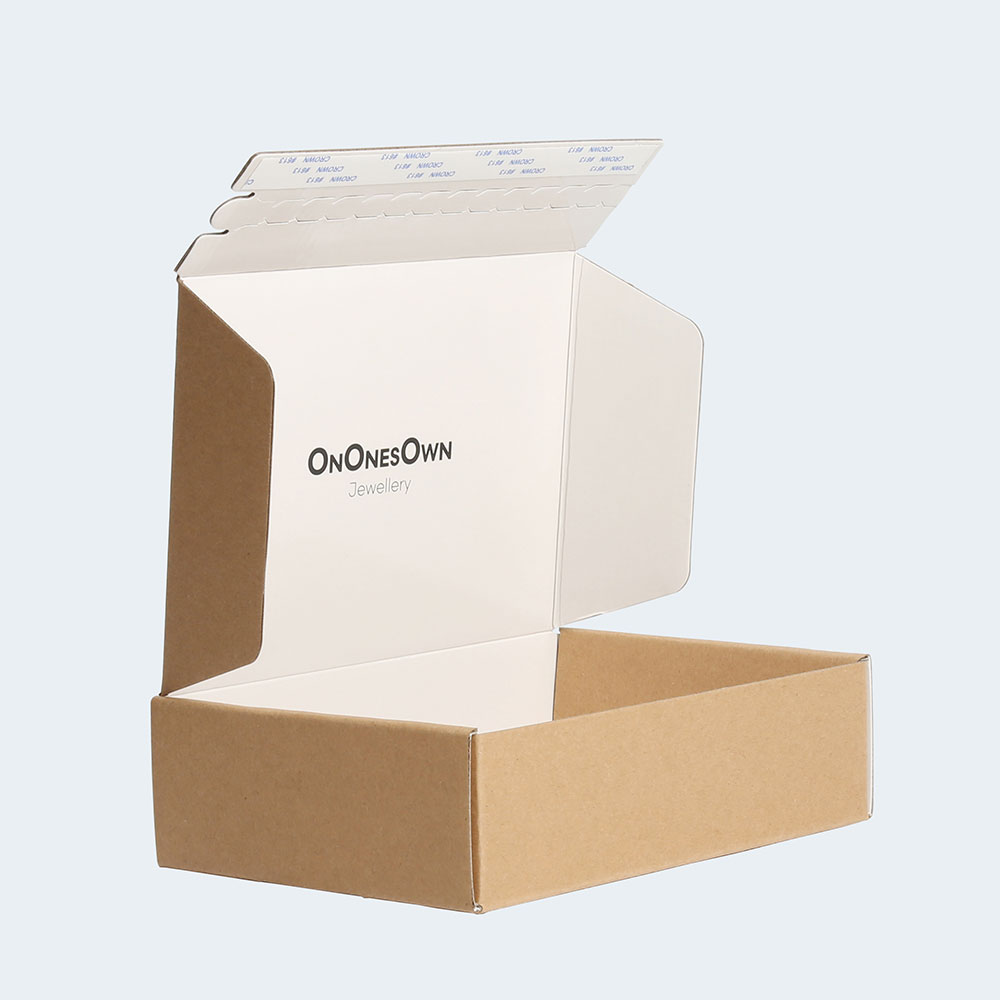
Why Sustainable Paper Packaging Is Trending in 2026
Why Sustainable Paper Packaging Is Trending in 2026 – And How SENWI Can Help You Lead the Shift
If you’ve been paying attention to the packaging industry in 2026, you’ve noticed a clear shift: sustainable paper packaging is no longer a niche preference — it’s the mainstream standard. From global brands to small e-commerce startups, businesses are racing to replace plastic, reduce carbon footprints, and embrace renewable materials.
But why is 2026 the tipping point? And how can your brand leverage this trend without blowing your budget?
At SENWI Printing & Packaging, we’ve been at the forefront of eco-friendly paper packaging solutions for years. In this article, we’ll explore the key drivers behind the sustainable paper packaging boom in 2026 and show you how SENWI can help you transition smoothly, affordably, and effectively.
1. Stricter Global Regulations Against Plastic
2026 has seen a wave of new legislation targeting single-use plastics and non-recyclable materials. Key examples include:
-
EU’s Packaging and Packaging Waste Regulation (PPWR) – Now fully enforced, it mandates that all packaging be recyclable or reusable by 2030, with interim targets starting in 2026.
-
US state-level bans – California, New York, and other states have expanded bans on plastic mailers, bubble wrap, and foam packaging.
-
Canada’s Single-Use Plastics Prohibition – Now covers all plastic packaging with readily available alternatives.
-
Asia-Pacific regulations – Countries like Japan, South Korea, and Australia have introduced strict recycling content requirements.
These regulations leave businesses with no choice but to switch to sustainable alternatives. Paper — renewable, recyclable, and biodegradable — is the most practical solution.
How SENWI helps: We offer fully compliant paper packaging that meets global regulations, including FSC certified materials, plastic-free designs, and recyclable coatings.
2. Surging Consumer Demand for Eco-Friendly Products
Today’s consumers are more informed and demanding than ever. According to a 2026 global survey by McKinsey & NielsenIQ:
-
78% of consumers say sustainability influences their purchase decisions.
-
63% are willing to pay a premium for products with eco-friendly packaging.
-
82% of Gen Z and Millennials actively check packaging labels for recycling symbols and material origins.
Consumers now see excessive plastic as a brand’s failure to care. Conversely, sustainable paper packaging signals responsibility, transparency, and quality.
How SENWI helps: We help brands communicate their sustainability story through custom-printed messaging, FSC logos, and “100% recyclable” labeling — turning packaging into a marketing asset.
3. Technological Advancements in Paper Coating & Printing
In the past, sustainable paper packaging had drawbacks: poor moisture resistance, limited print quality, and higher costs. That has changed dramatically by 2026.
Breakthroughs include:
-
Water-based and plant-based coatings that provide grease, oil, and water resistance without plastic (e.g., BioPBS, Nuatan, or chitosan-based barriers).
-
High-speed digital printing on uncoated kraft – now vibrant, durable, and cost-effective even for short runs.
-
Compostable window films – clear PLA (polylactic acid) or cellulose film replaces PET for see-through windows.
-
Recyclable metallized paper – gives a foil look without non-recyclable laminates.
These innovations mean sustainable paper packaging no longer compromises on performance or aesthetics.
How SENWI helps: We have integrated these new materials and technologies into our production line. Whether you need a grease-resistant pizza box or a foil-stamped luxury rigid box, we can make it sustainable and stunning.
4. Corporate ESG Goals and Net-Zero Commitments
By 2026, most publicly traded and many private companies have formal ESG (Environmental, Social, Governance) targets. Packaging is a major focus because it’s highly visible and often a significant source of Scope 3 emissions (supply chain).
Switching to sustainable paper packaging helps brands:
-
Reduce carbon footprint (paper has lower embodied carbon than plastic or metal).
-
Achieve recyclability or compostability targets.
-
Improve ESG scores and satisfy investor demands.
-
Avoid greenwashing claims with third-party certifications.
How SENWI helps: We provide documentation to support your ESG reporting, including FSC certificates, recycled content percentages, and product carbon footprint estimates.
5. Cost Competitiveness of Paper vs. Plastic
Five years ago, sustainable paper packaging could cost 20–30% more than conventional plastic-based options. In 2026, the price gap has nearly disappeared due to:
-
Economies of scale – Massive investments in paper recycling and production.
-
Plastic taxes and fees – Many jurisdictions impose levies on plastic packaging, making paper cheaper.
-
Improved supply chains – Dedicated sustainable packaging suppliers like SENWI have streamlined production.
For many products, paper packaging is now the cost-effective choice, not just the ethical one.
How SENWI helps: We optimize material use, structure, and printing to keep your sustainable paper packaging affordable — whether you order 1,000 or 1 million units.
6. Retailer and Platform Mandates
Major retailers and online marketplaces have set packaging requirements that favor paper over plastic.
-
Amazon’s Frustration-Free Packaging – Now prioritizes curbside-recyclable paper mailers and boxes over plastic cushioning.
-
Walmart’s Project Gigaton – Requires suppliers to reduce packaging emissions, with paper as a preferred material.
-
Target, Costco, and IKEA – Have published sustainable packaging guidelines that heavily favor fiber-based solutions.
If you sell through these channels, sustainable paper packaging is no longer optional.
How SENWI helps: We design packaging that meets or exceeds retailer requirements, including ISTA-certified shipping boxes, paper void-fill systems, and easy-recyclable designs.
7. The “Unboxing Experience” Goes Green
Social media trends have amplified the importance of packaging aesthetics. In 2026, the most share-worthy unboxing moments feature:
-
Natural kraft boxes with embossed logos
-
Paper tape with branded messages
-
Compostable inserts and tissue paper
-
Minimalist, plastic-free designs
Consumers now criticize brands that use unnecessary plastic or excessive packaging. A beautiful, sustainable paper box generates free marketing through user-generated content.
How SENWI helps: We create custom sustainable paper packaging that is both photogenic and eco-friendly. From soft-touch finishes to foil-stamped logos, we ensure your brand looks premium while staying green.
8. Circular Economy Initiatives Gain Traction
Governments and industry groups are funding circular economy infrastructure: better recycling facilities, deposit return schemes, and composting systems. Paper is uniquely positioned because it can be recycled 5–7 times without significant quality loss, and it biodegrades if it ends up in nature.
Brands are increasingly adopting closed-loop models – where they collect used packaging and remake it into new boxes. Paper is the ideal material for such systems.
How SENWI helps: We offer take-back programs for large-volume clients, supplying recycled-content boxes made from returned materials. We also design for recyclability, avoiding adhesives or coatings that contaminate paper streams.
SENWI’s Commitment to Sustainable Paper Packaging in 2026
At SENWI Printing & Packaging, we don’t just follow trends — we help shape them. Our sustainable paper packaging solutions include:
-
FSC certified paper – from responsibly managed forests.
-
Recycled content – up to 100% post-consumer waste, depending on the board.
-
Plastic-free coatings – water-based, plant-based, or wax alternatives.
-
Compostable window films – PLA or cellulose.
-
Water-based inks – low-VOC, safe for food contact, and recyclable.
-
Minimalist structural design – reducing material usage without compromising strength.
-
Carbon-offset shipping – optional for eco-conscious clients.
We also provide full transparency – we can share sourcing data, test reports, and certification documents so you can back up your sustainability claims with proof.
Real-World Example: How a Beauty Brand Won Awards with Sustainable Paper Packaging
A clean beauty brand came to SENWI wanting to eliminate all plastic from their packaging. They sold serums in glass bottles with plastic pumps (they kept the pump but wanted the outer box plastic-free).
We designed an FSC certified rigid box with a soft-touch aqueous coating (no lamination), a molded pulp insert (instead of foam), and a paper ribbon pull-tab. The box was 100% plastic-free, fully recyclable, and used 70% recycled content.
The brand launched the collection in early 2026. Within three months:
-
They won a Sustainable Packaging Award at a major industry expo.
-
Sales increased 40% year-over-year, with customers citing packaging as a top reason.
-
The brand became a case study for eco-friendly packaging in trade publications.
Their CEO said: “SENWI proved that sustainable paper packaging can be luxurious, functional, and affordable. It’s now our standard across all products.”
How to Transition to Sustainable Paper Packaging with SENWI
Making the switch is easier than you think. Follow these steps:
-
Audit your current packaging – Identify plastic components (windows, lamination, foam, tape).
-
Consult with SENWI – We recommend paper-based alternatives for each component.
-
Request samples – Test our sustainable paper boxes with your product.
-
Test for performance – Shipping, storage, and consumer handling.
-
Order & launch – We produce your sustainable packaging and help you communicate the change to your customers.
Frequently Asked Questions
Q: Is sustainable paper packaging more expensive than traditional options?
A: In 2026, the price difference is minimal — often 0–10% for equivalent performance. With plastic taxes and consumer willingness to pay, it’s often more profitable.
Q: Can paper packaging be waterproof or greaseproof?
A: Yes. New bio-coatings provide excellent resistance without plastic. We offer solutions for frozen food, hot pizza, and liquid containers.
Q: Does SENWI offer FSC certified paper?
A: Yes, we are FSC certified and can provide chain-of-custody documentation.
Q: How do I know if my packaging is actually recyclable?
A: We design for recyclability according to local guidelines (e.g., How2Recycle in North America, OPRL in the UK). We also provide disposal instructions for your customers.
Q: What’s the minimum order quantity for sustainable paper packaging?
A: It varies by style, but we offer low MOQs (as few as 500 pieces for simple folding cartons) to support sustainable transitions for small brands.
Conclusion
Sustainable paper packaging is trending in 2026 for compelling reasons: regulation, consumer demand, technology, cost, retailer mandates, and circular economy momentum. This is not a fleeting fad — it’s the new baseline for responsible business.
By partnering with SENWI Printing & Packaging, you can join the movement without sacrificing quality, design, or your budget. Let’s build a greener future, one box at a time.
👉 Contact SENWI today to discuss your sustainable packaging goals. We’ll provide a free consultation and a sample plan within 24 hours.
Company Overview – Shenzhen Senwi Printing & Packaging Co., Ltd.